








Sleep is not downtime—it is active repair. If you are searching for how to get good sleep, this guide explains what sleep does, what sleep loss does, and what to change first for better results. Public-health guidance also treats sleep as a biological necessity, not a luxury.
Why Is Sleep Important for Your Health?
Understanding why sleep is important starts with biology. During sleep, your body is not “shut off” — it is doing some of its most important maintenance work. Your brain uses this time to process what you learned during the day, strengthen memory, and reset for better focus the next morning. At the same time, your body is busy with repair, recovery, and immune support. When sleep is poor or too short for long periods, the effects go far beyond feeling tired and can increase the risk of bigger health issues over time.
Boosts Brain Function and Memory
A good night’s sleep helps you think more clearly, remember information better, and stay mentally sharp the next day.
Supports Heart Health
Sleeping too little on a regular basis can put extra strain on the body and is linked with a higher risk of heart-related problems. That is why the importance of good sleep is not just about comfort.
Strengthens the Immune System
Sleep gives your body time to recover and helps support the natural defence systems that protect you from illness.
Helps with Weight Management
Lack of sleep can affect hunger hormones, cravings, and metabolism, making weight management harder over time.
Improves Mood and Emotional Stability
When you do not sleep well, small things can feel bigger. Poor sleep often leads to irritability, low patience, higher stress, and emotional ups and downs.
Understanding the Stages of Sleep
Sleep cycles through NREM sleep (three stages) and REM sleep. NREM supports deeper physical recovery, while REM supports brain functions such as learning and memory.
NREM Sleep (Stages 1-3)
NREM moves from light sleep into deep sleep, which is central to physical restoration.
REM Sleep (Stage 4)
REM is associated with vivid dreaming and cognitive processing. Cutting sleep short can reduce later REM-rich cycles.
How Much Sleep Do You Really Need?
Most healthy adults generally need about 7–9 hours a night, though needs vary. If you keep asking how to get good sleep, protect a full sleep window first. Adults sleeping less may notice mood shifts, fatigue, and other symptoms of less sleep.
Consequences of Sleep Deprivation
The short-term effects of sleep loss can include poor concentration, slower reaction time, irritability, and low productivity. Over time, the sleep importance topic becomes serious because chronic deprivation is associated with broader health risks.
It also helps to catch the causes of less sleep early: inconsistent bedtime, stress, shift work, late-night screens, alcohol, and repeated “catch-up sleep” habits.
Tips on How to Get Better Sleep
These tips on how to get better sleep work because they align with circadian rhythm and sleep biology.
Stick to a Consistent Schedule
Sleep and wake at similar times daily. Consistency makes how to get good sleep easier and more reliable.
Optimize Your Sleep Environment
Keep the room dark, quiet, and cool. A cool room often supports faster sleep onset and better sleep maintenance, and a commonly suggested starting range is around 65–68°F (18–20°C).
Limit Exposure to Blue Light
Evening screen light can suppress melatonin and delay sleepiness. If you want how to get good sleep, reduce screen use before bed, dim devices, and use night mode.
Manage Stress and Anxiety
Stress is one of the biggest causes of less sleep. A wind-down routine (reading, breathwork, journaling, light stretching) can lower mental performance. These are some of the most practical tips on how to get better sleep.
The Role of Nutrition and Supplements in Sleep
Diet quality and nutrient status can affect sleep quality. Nutrition is not the only factor, but it can support or disrupt sleep depending on patterns and deficiencies.
Vitamin D and Sleep Regulation
Vitamin D status may be associated with sleep duration and quality in some groups. Correcting deficiency may support a broader sleep plan.
Vitamin C and Stress Reduction
Vitamin C is often discussed for antioxidant and stress-related support. Some studies suggest benefits for anxiety or stress markers in specific groups, but it is not a universal sleep fix.
Best Sleep Supplements by Alpha Mind Global
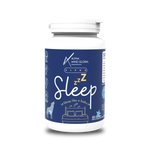
If you have already started improving your sleep routine and want a little extra support, Alpha Mind Global offers a sleep supplement named Alpha Sleep, designed to support rest and relaxation. On the product page, you’ll find ingredients such as lemon balm, magnolia bark, magnesium glycinate, and chamomile flower extract, with benefits focused on restful sleep, relaxation, a calmer mood, and stress relief. The label also mentions that the bottle contains 60 capsules and suggests taking 2 capsules about 45 minutes before bedtime.
Supplements should support sleep hygiene—not replace it. If you take medicines or have ongoing sleep issues, consult a healthcare professional first.
Conclusion
If you remember one thing, let it be this: why sleep is important affects cognition, mood, metabolism, and recovery. Start with the basics, use these tips on how to get better sleep, and treat sleep like a daily health habit. That is the most reliable path to how to get good sleep consistently—and the clearest example of sleep importance in practice.
FAQ
1. What are the benefits of sleeping?
Better focus, memory, mood stability, recovery, and daily performance. These outcomes also explain the sleep importance conversation.
2. What are the dangers of lack of sleep?
Too little sleep can affect focus, mood, reaction time, and productivity. Over time, ongoing sleep loss may also increase long-term health risks.
3. How does blue light from screens affect sleep quality?
Blue light can reduce melatonin and delay sleepiness. Late-night screen use can make how to get good sleep more difficult.
4. What is the best bedroom temperature for good sleep?
Most people sleep better in a cool room. A common starting range is 65–68°F (18–20°C), then adjust for comfort.
5. Can taking vitamins and supplements help improve sleep?
They may help in some cases, especially when there is a nutritional gap. But if you are working on how to get good sleep, fix your schedule, light, and stress first.
6. What are the common symptoms of sleep deprivation?
Common symptoms of less sleep include mental fatigue, irritability, poor focus, and daytime sleepiness. If these persist, review your routine and the causes of less sleep.