










Mental fatigue can come up at any instant. Once you are totally fine, the next, your mind starts feeling slow & constantly drained. You might wake up feeling mentally tired, find it difficult to stay focused throughout the day, or feel like your brain is not keeping up. This state is known as brain fatigue or brain exhaustion. This condition is not always a cause of physical tiredness. When you understand the mental fatigue meaning, it might be the result of long hours of thinking, decision-making, stress, screen exposure, or lack of mental breaks.
Most people overlook early signs of mental performance. They usually assume that they only need sleep or coffee. However, common mental fatigue symptoms, including poor concentration, irritability, forgetfulness, and low motivation, are signals that your mind needs recovery. You should look at the real causes of mental fatigue and practical ways to recover quickly.
What is Mental Fatigue?
Mental fatigue is what happens when your brain runs low on usable energy after long periods of focus, stress, screen time, or decision-making. The short version of what "mental fatigue" means is "your mind is tired." You might feel mentally exhausted, like you can't think as quickly, and less motivated. People also call this brain fatigue or brain exhaustion.
Some mental fatigue signs are trouble concentrating, forgetfulness, irritability, headaches, and that heavy "foggy" feeling. The most common mental fatigue causes are not getting enough sleep, being under constant stress, doing too many things at once, and not taking breaks to recover.
What to Look For When You are Mentally Tired
When your brain has been "on" for too long and you start to lose focus and drive, you may feel mentally tired. You might feel mentally tired even after resting, have trouble focusing, have to read the same line over and over, or forget simple things.
A lot of people notice that they think more slowly, have less motivation, are irritable, and feel "can't think straight." You might lose your train of thought in the middle of a sentence, make more small mistakes, or feel tired by things that are usually easy.
What Causes Mental Fatigue
When your brain has to stay "on" for too long without enough time to rest, mental fatigue usually starts. The most basic definition of mental fatigue is cognitive overload. Lack of sleep, high stress, making decisions all the time, and constantly switching between tasks, tabs, and notifications are all common causes of mental fatigue. Long screen hours can also drive brain fatigue, especially when you are staring, scrolling, and problem-solving all day with few real breaks.
Lifestyle factors should also be considered. Patterns like not drinking enough water, not eating enough protein, and not moving around enough can make your mental energy less stable. Overtraining, being sick, and drinking too much caffeine can all have the opposite effect. When these things happen, mental fatigue can make you think slower, lose focus, get irritable, and have trouble remembering things.
How to Get Rid of Mental Fatigue
When your brain doesn't get enough rest, like when you don't get enough sleep, are too stressed, spend too much time in front of a screen, are dehydrated, or eat at odd times, mental fatigue builds up. A fast reset starts with the basics: drink water, eat something balanced, and take a 10–15 minute movement break. Light walking and stretching improve blood flow and oxygen delivery. These can quickly ease brain fatigue and that “heavy head” feeling.
Do one task for 25 minutes, then step away for 5. Short breaks reduce cognitive overload and can calm common mental fatigue symptoms like poor focus, irritability, and slow thinking. Make sleep a priority that night. Deep sleep helps your brain recover and get rid of things that make it tired. This helps when you want to know how to reduce mental fatigue.
If the things that are making you mentally tired keep happening, add support that helps you stay calm and focused. A lot of people think that supplements for mental fatigue and mental fatigue supplements are the best way to help with lifestyle changes.
Best Supplements for Mental Fatigue
When mental fatigue hits, your brain is running low on the resources needed for steady focus, motivation, and clear thinking. The best mental fatigue supplements usually support neurotransmitters, brain energy, and stress response. If you feel mentally tired with signs of brain fatigue like slow thinking, poor focus, or brain exhaustion, Alpha Mind Global’s nootropic line is built for that “recover and perform” gap.
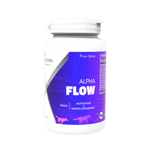
Mind Max supports clarity and cognitive resilience with a stacked formula featuring Uridine Monophosphate, Lion’s Mane, and CDP Choline. These ingredients are useful when you want to stay sharp under pressure. If stress is the main driver behind your mental fatigue symptoms, Alpha Fearless is positioned for calm focus and reduced mental fatigue during high-pressure days. For creative drive and learning-focused output, Alpha Flow is another option often used to support memory, focus, and motivation.
How Alpha Mind Global helps with Effective Mental Fatigue Supplements
When mental fatigue hits, it is brain fatigue from constant stress, long screen time, and drained focus. Alpha Mind Global’s approach is to support the brain systems that take the biggest hit during brain exhaustion: clarity, attention, and mental stamina. Their mental performance formulas use a nootropic stack built around ingredients such as Uridine Monophosphate, Lion’s Mane, and CDP Choline. These are commonly used to support neurotransmitter balance and cognitive resilience.
Conclusion
When you feel mentally tired, your brain is telling you to take a break. When you start to notice signs of brain fatigue, like trouble concentrating, brain fog, low motivation, or always being tired, it's important to deal with the real reasons for mental fatigue. You can feel less mentally tired by making small changes, like getting more sleep, taking planned breaks, moving around, and giving your mind a break.
If you take the right mental fatigue supplements on a regular basis, they can help you get your mental clarity and balance back. Following the right habits and getting help from science can help you heal faster, save your mental energy, and stop your brain from getting tired over and over again.
FAQ’s
What does brain fatigue feel like?
Brain fatigue often feels like constant mental tiredness, slow thinking, difficulty concentrating, and a sense of overwhelm. You may feel mentally drained despite getting enough rest.
Can mental fatigue affect memory and focus?
Mental fatigue can reduce attention span, slow information processing, and make it harder to remember details. This leads to poor focus and frequent forgetfulness.
Are supplements helpful for mental fatigue?
Supplements can be helpful when mental fatigue is linked to nutrient gaps or prolonged cognitive stress. Formulas designed to support brain function and neurotransmitter balance may help improve clarity and mental stamina when used consistently.
Can mental fatigue impact productivity and performance?
Mental fatigue can lower efficiency, increase errors, reduce motivation, and make decision-making harder. These directly affect work performance and daily productivity.